A Honest Review: Embroidering the 'I Love My Dog' Design
Let’s talk about this Dog T-shirt Design Print Template Vll-1. As someone who stitches designs onto real fabric for clients and my own shop, I’m always looking at digital files with a practical eye. How will this actually look when it’s stitched out? What kind of project does it truly belong to? And most importantly, will it make my customer smile? I’m not reviewing specs; I’m reviewing a potential finished product.
First Impressions: Humor and Heart
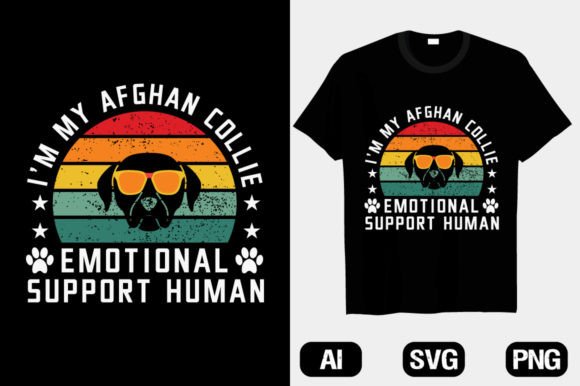
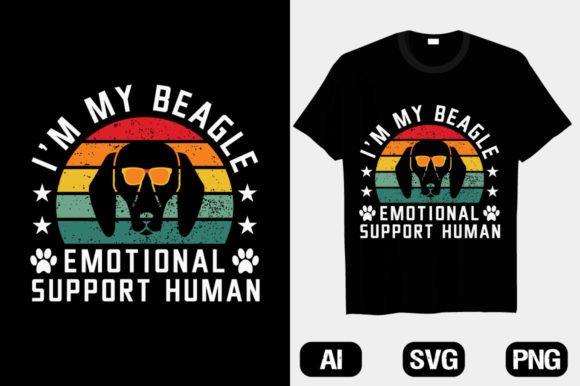
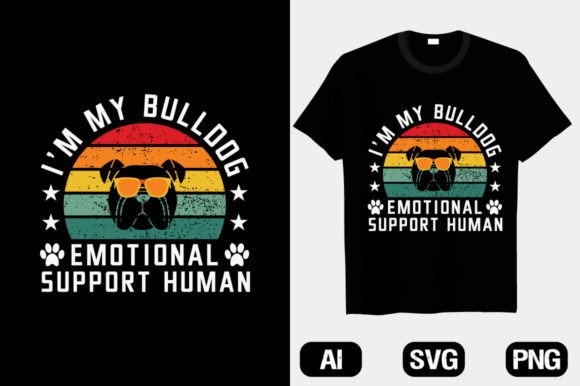
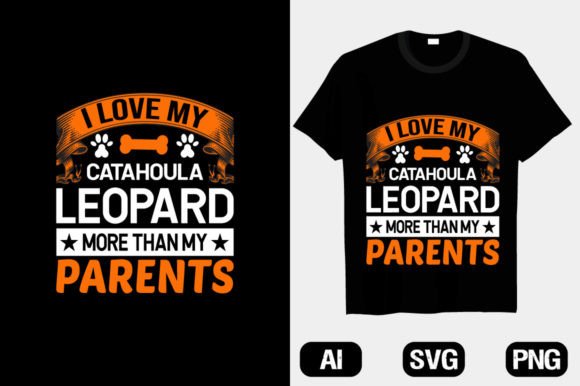
The title, “I love my Catahoula Leopard more than my parents,” is the star here. It’s a specific, humorous sentiment that resonates deeply with a certain kind of pet owner. The design’s mood is cheeky, affectionate, and unapologetically loyal. Visually, it’s a text-based design, which means its personality is carried entirely by the words and their presentation. For embroidery, this shifts the focus from complex imagery to clean, readable lettering and layout. This isn’t a design for a subtle accent; it’s a statement piece.
The Natural Home for This Stitched Sentiment
In my hands, this design feels destined for casual, personalized apparel and gifts. I immediately picture it on a soft cotton sweatshirt for a dog lover, or centered on a sturdy canvas tote bag. It’s perfect for a custom gift—think a birthday present for a friend whose dog is their world. For a small business, this Dog T-shirt Design Print Template Vll-1 could be a great staple for an Etsy shop specializing in pet-themed merchandise. It has that ‘instant recognition’ factor that makes a customer at a craft fair stop and chuckle.
A real scenario I’m considering: a custom embroidered tote bag for a regular client who is a Catahoula breeder. The bold, clear text would stitch out nicely on the bag’s fabric, creating a functional and funny item she could use daily. The value isn’t in intricate detail, but in the perfect match between the message and the recipient.
Performance on the Actual Project
When I evaluate a design for real-life embroidery, I think about the common applications. For this one:
- Custom Apparel: On a t-shirt or sweatshirt, the large text area needs good stabilizer to prevent puckering, especially on knit fabrics.
- Tote Bags & Aprons: These are ideal. The sturdy fabric handles satin stitch or fill stitch lettering well, and the design becomes a durable, washable feature.
- Baby Items & Nursery Decor? Probably not. The humor is adult-oriented.
- Embroidered Patches: Absolutely. This could make a fantastic standalone patch to iron or stitch onto a backpack or jacket.
- Caps & Hats: Careful here. The curved surface of a cap and the likely smaller hoop size might require simplifying or scaling the design to ensure the longer text fits clearly without distortion.
- Home Decor: Think pillow covers or kitchen towels in a pet-loving household. It adds a personal, handmade touch.
Its strength is its clarity as a message. The embroidery file, given its described high resolution, should allow for crisp digitizing, meaning the stitches defining the letters can be clean and sharp. This is crucial for maintaining the design’s humorous impact.
Where This Design Requires Extra Attention
Every design has its considerations. With this Dog T-shirt Design Print Template Vll-1, here’s where I’d proceed with caution:
- Small Hoop Sizes: Trying to fit this entire text phrase into a small hoop for, say, a child’s shirt could compress the letters and reduce readability. Scale it appropriately.
- Textured or Thin Fabrics: On very textured linen or thin polyester, dense stitch areas in the letters might sink in or look uneven. A test stitch on scrap fabric is mandatory.
- Dark Fabric: The text likely assumes a light background. On dark fabric, you’ll need to plan thread color contrast carefully—a bright white or light cream satin stitch would be essential to pop.
- Tiny Lettering Details: If the digitized file has very fine script details, they might get lost or become brittle with frequent washing on apparel. Inspect the small details in the provided SVG or PNG preview.
The design’s visual appeal hinges entirely on execution. A well-stitched version on appropriate fabric looks professional, increases product value, and builds customer trust in your craftsmanship. A poorly planned stitch-out, with puckering or unclear text, undermines the humor and feels amateurish.
Practical Designer Notes Before You Hoop
Before I’d commit this to a client’s sweatshirt or a batch of tote bags for my shop, here’s my checklist:
- Test, Test, Test. Always stitch out the Dog T-shirt Design Print Template Vll-1 on a scrap of the actual fabric you intend to use. Check for thread tension, stitch density, and overall clarity.
- Color Contrast is Key. Mock it up. How does it look on a black mockup versus a white one? Choose thread colors that ensure maximum readability for your final product background.
- Stabilizer Selection. For apparel, a cut-away or a heavy tear-away might be needed under larger text areas to prevent distortion during wear and wash.
- Consider the End-Use. Is this for a one-off personalized gift, or for commercial embroidery to sell multiple items in your small shop? Confirm the licensing terms of the original graphics file for your intended use.
- Hoop Size Logistics. Measure your design dimensions from the file and match them to a hoop that comfortably fits it, allowing for clean borders.
- Fabric Texture Match. Smooth cotton or canvas will give the cleanest result. Stretchy or highly textured fabrics add challenge.
Remember, this design is a graphics file offered in multiple formats. For machine embroidery, you’ll need to digitize it into an appropriate embroidery file format, paying close attention to turning text into smooth satin stitches or clean fill stitches. The high-resolution source files are a good starting point for that process.
The Final Stitch: Why It Works for Makers
This Dog T-shirt Design Print Template Vll-1 succeeds because it taps into a very real, niche emotion. For creative entrepreneurs, it’s a ready-made design asset that can be transformed into a range of handmade products with high giftability. It doesn’t require complex color changes or intricate detail work; its power is in its statement. For the embroidery designer, it’s a project that rewards good technical preparation—proper stabilizer, thoughtful scaling, and contrast planning. When stitched well on the right item, it feels personal, professional, and perfectly targeted. It’s not for every project, but for that dog lover’s custom apparel or that pet-themed boutique product, it could be exactly the right touch of humor and heart.
My advice? Look past it as just a t-shirt design. See it as a versatile sentiment ready for your embroidery hoop. Imagine it stitched on a denim jacket patch, centered on a cozy pillow for a dog owner’s reading nook, or proudly displayed on a tea towel in a pet-friendly kitchen. Plan your stitch-out with care, and this straightforward, funny declaration can become a standout piece in your embroidery project lineup.