A Nurse's Honest Take on a Popular Embroidery Design
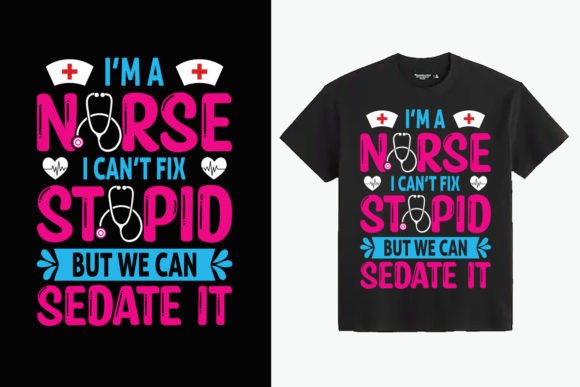
Every so often, a design comes across my desk that feels instantly conversational. I m a Nurse I Can t Fix Stupid is exactly that. As a designer who reviews files for real-world embroidery, my first thought isn't just about aesthetics—it's about how this sentiment will translate from screen to stitches, and ultimately, onto a finished product.
The First Impression: Humor with a Professional Edge
The design immediately creates a mood of wry, insider humor. It's a phrase that resonates within the nursing community and with anyone who appreciates a blunt, realistic take on life. Visually, it's a straightforward text-based design, which means its personality is carried entirely by the words themselves and the craftsmanship of the embroidery. The layout is clean, suggesting it belongs on projects where the message is the star—no fussy detail to compete with the statement.
This isn't a design for delicate, floral nursery decor. It feels natural for personalized gifts for healthcare workers, for a bold statement on a sweatshirt, or as a witty addition to a kitchen towel or apron in a home that appreciates medical humor. The theme is niche but powerful, and that’s a great starting point for a handmade product.
Where This Design Shines in Real Projects
In practical embroidery situations, text-based designs like this have specific strengths. I envision it working exceptionally well on:
- Custom apparel: Think heavy-weight cotton t-shirts or cozy crewneck sweatshirts where the text becomes a focal point.
- Tote bags and aprons: These utilitarian items carry a sense of work, making the nurse-themed message fitting and fun.
- Embroidered patches: This design could be fantastic as a standalone patch, allowing for versatility—it could be ironed onto a backpack, a cap, or a uniform bag.
- Pillow covers or tea towels: For home goods in a boutique or Etsy shop targeting a specific audience, it adds a personalized, conversational touch.
The value here is in its recognizability and giftability. A nurse receiving a custom-embroidered tote with this design would likely understand and appreciate the sentiment immediately. For a small business owner or crafter, it represents a clear niche product that can build customer trust through shared understanding.
Practical Considerations for Stitching Success
While the concept is strong, execution is key. Text embroidery, especially with smaller lettering, demands attention. Here’s where I’d be cautious:
- Small hoop sizes and tiny details: The lettering, particularly if the file includes the secondary "but we can sedate" line, needs to be checked for clarity. On a small item like a baby cap or a detailed corner of a pillow, fine text can become lost or blurry.
- Fabric texture and color: Stitching on dark fabrics requires excellent thread contrast. On textured fabrics like some sweaters or blankets, satin stitches might not appear as crisp. Always test on a scrap first.
- Stitch density and fabric weight: If the design uses dense fill stitches for the text, applying it to thin or stretchy fabrics like a lightweight t-shirt could lead to puckering or fabric distortion. A good stabilizer is non-optional here.
- Curved surfaces: Applying this to a curved area like the front of a cap requires checking the file's adaptability—some text designs can warp on a curve.
The visual appeal of the final product hinges entirely on stitching clarity. A poorly executed version where letters are merged or uneven can undermine the professional humor of the message.
Embroidery Designer Notes for a Smooth Project
Before running this embroidery file on a final product, I’d follow my usual routine. First, I’d stitch it out on a scrap of the actual target fabric—both a light and a dark version if I plan to offer both. This reveals any issues with thread color contrast and stitch density. I’d inspect the small details under good light to ensure every character is distinct.
I’d also create simple black-and-white digital mockups to visualize placement on different products—a tote bag, a sweatshirt pocket, a patch layout. This helps gauge proportion without wasting thread. Crucially, I would confirm the licensing terms of the I m a Nurse I Can t Fix Stupid graphics file before selling any finished items or commercial embroidery projects. Knowing whether it's for personal use only or includes commercial rights is essential for craft business owners and Etsy sellers.
The Final Verdict: A Niche Design with Clear Potential
Ultimately, I m a Nurse I Can t Fix Stupid is a design with a strong, specific voice. It won’t be for every customer or every project, but for its target audience, it can be a winner. Its success in your embroidery work will depend on pairing it with the right product—a sturdy, well-suited garment or home good—and executing the stitch-out with precision to honor the clean, bold statement it makes.
For the creative entrepreneur looking to offer niche personalized gifts, or for the hobbyist wanting to make a truly appreciated item for a nurse friend, this design provides a great foundation. Treat it with the practical care any text-based embroidery file deserves, and it will likely result in a finished product that feels authentic, professional, and engaging.