A Veteran Design Ready for Everyday Respect
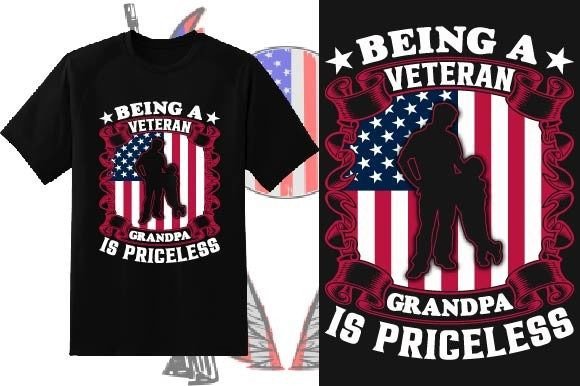
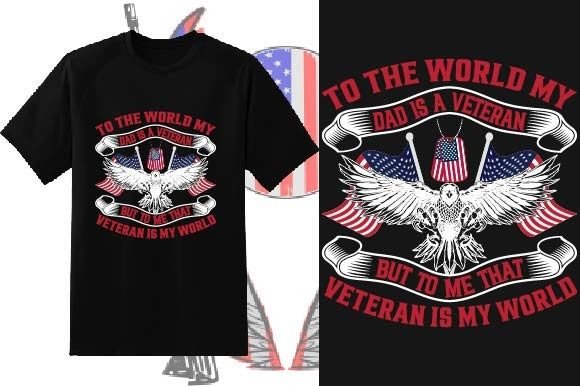
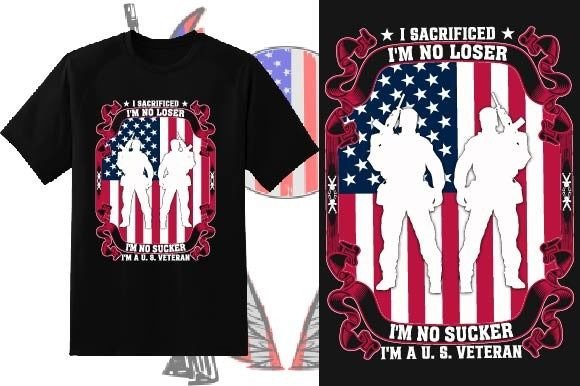
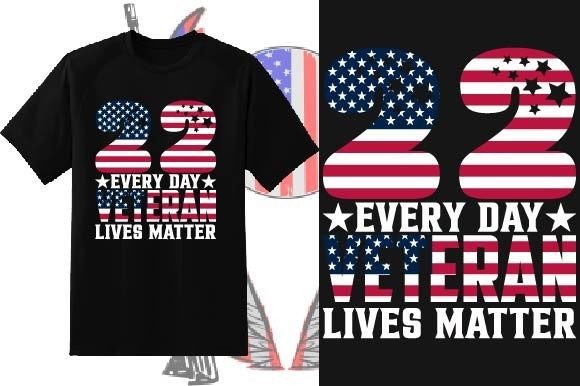
When a new embroidery design arrives, my first thought is always about the story it will tell on fabric. I’m not just looking at a graphic; I’m imagining it threaded, stitched, and living on a finished product. That’s exactly where my mind went with the 22 Every Day Veteran T-Shirt Design. This isn’t a design that shouts; it speaks with a quiet, steady dignity. It feels crafted for projects that honor service in a personal, understated way.
The Immediate Mood: Quiet Pride and Everyday Wear
The theme and layout here create a mood of quiet pride. It’s built for daily appreciation, not just for ceremonial occasions. The design doesn’t feel overly ornate or militaristic. Its visual personality leans toward a clean, respectful emblem—something that would look appropriate on a simple cotton tee, a cozy sweatshirt, or a sturdy tote bag carried to the grocery store. For embroidery designers and makers thinking about gift projects or boutique merchandise, this suggests a wide appeal. It feels like a design for the veteran who prefers subtle recognition, or for the family member wanting to create a personalized gift that feels heartfelt but not flashy.
Where This Embroidery Design Naturally Belongs
Let’s talk real projects. I immediately pictured this on a heavyweight cotton sweatshirt. The clean, likely moderate-detail level of the 22 Every Day Veteran T-Shirt Design would translate beautifully into embroidery on a textured fleece backing, creating a premium, handmade presentation. But its true strength might be its versatility across the kind of items small business owners and crafters actually produce.
It’s a natural fit for custom apparel like t-shirts and polo shirts, especially in a left-chest position. It would make a striking, standalone feature on the front of a canvas tote bag—a product that often sells well at craft fairs. I also considered it for a simple embroidered patch, which could then be applied to a cap, backpack, or even a pillow cover for a den or study. For Etsy sellers focusing on personalized gifts, this design could anchor a whole product line: think baby clothes with a small version for a grandparent’s gift, or a kitchen towel in a military family’s home. The “every day” in the title is a good guide: this embroidery file is for items meant for regular use and visible appreciation.
A Real-Life Scenario: The Holiday Gift Sweatshirt
Imagine you’re an apparel decorator preparing for the holiday season. A client asks for a custom, embroidered sweatshirt for their father, a veteran. They want it to be comfortable, high-quality, and something he’ll wear often, not just on Veterans Day. You pull up the 22 Every Day Veteran T-Shirt Design. You assess its scale for a 8x8 hoop or larger. You think about thread colors—perhaps a classic navy blue or maroon on a heather grey garment. You visualize the finished stitch: the design’s clarity holding up on the sweatshirt’s fabric, the message clear without being overwhelming. This is the practical judgment that turns a digital product into a trusted, giftable finished product.
Performance on Fabric: Considering Stitch and Surface
How will this design perform when the machine starts running? Without specific stitch counts, we think generally. The design’s likely detail level suggests paying close attention to stitch density in any filled areas. On thin fabrics like standard t-shirt jersey, a very dense fill stitch might cause puckering or make the fabric stiff. A good stabilizer choice is critical. Conversely, on a thick tote bag material or a sweatshirt, that density would contribute to a rich, premium look.
Are there small lettering or intricate corners? If so, they’ll need careful handling on textured fabrics or curved surfaces like caps. Embroidering this on a baseball cap’s front panel requires confirming the design’s scale fits the cap’s limited, curved hoop area. For dark fabric backgrounds, thread color contrast is key. A white or bright silver satin stitch for outlines might pop beautifully, but a dark thread on dark fabric could lose the design’s impact. Always test the design on scrap fabric first, using the same material and color as your final project.
Where to Use With Extra Care
This design invites everyday use, but a savvy maker knows where to apply caution. If the design includes very fine lines or tiny decorative accents, small hoop sizes might not render them clearly. On highly stretchy fabric (like some performance tees), even a well-stabilized design can stress the knit over time with frequent washing. For products like baby clothes or items needing frequent laundering, consider placing the embroidery in a low-stress area and using durable threads.
Also, think about layered garments like hoodies where the embroidery might sit over a pocket seam. The design’s placement needs to avoid underlying textures that could distort the stitches. The goal is to ensure the 22 Every Day Veteran T-Shirt Design maintains its clean, respectful appearance through the life of the product, which builds customer trust and reinforces your brand’s consistency for quality.
The Impact on Value and Perception
Choosing the right embroidery design directly affects your product’s visual appeal and perceived value. This design, when well-executed, conveys a sense of professionalism and thoughtfulness. For the creative entrepreneur selling handmade products, it adds a layer of meaning that generic graphics lack. That meaning enhances giftability and buyer engagement. A customer browsing an Etsy listing for an embroidered patch sees not just a craft, but a symbol they connect with.
It also affects stitching clarity. A clean, well-proportioned design like this should translate into crisp stitches, making the final product look intentional and skilled, not blurry or overcrowded. That clarity is everything when you’re presenting a custom apparel item in a printable mockup or a photo of your actual finished product. It tells the buyer you’ve chosen your design assets with care.
Practical Notes for the Embroidery Designer
Before you hoop that first real project, do your homework. Check thread color contrast by testing the design in both black and white mockups. Compare how it looks on light and dark fabric backgrounds digitally. This preview is invaluable for planning.
Always review stitch density in your embroidery software if possible. Confirm the hoop size required fits your machine and your intended product. Inspect small details to ensure they’ll survive the stitching process and not become thread tangles.
Crucially, for commercial use, confirm licensing before selling finished items or digital products. The product description states it’s a T-Shirt Design and Graphics ready for print, but the specifics of use for commercial embroidery or resale as a digital embroidery file need to be clear. Don’t assume; verify. This protects your craft business and respects the designer’s work.
Finally, remember that a design like the 22 Every Day Veteran T-Shirt Design is more than a file. It’s a potential centerpiece for a meaningful, well-crafted item. By evaluating it through this practical lens—thinking about fabric, stitch, placement, and end-use—you transform a graphic into a product that carries respect, every day.